



Welcome to The Ritz-Carlton, Bachelor Gulch
Explore our Beaver Creek, Colorado hotel
One of North America's top hotels and Colorado's premier luxury ski resort, The Ritz-Carlton, Bachelor Gulch is nestled among the majestic Colorado Rocky Mountains and Beaver Creek ski mountain. This year-round destination resort offers outdoor adventure and choice amenities. Enjoy ski-in/ski-out access in winter, numerous summer mountain activities and an array of sophisticated dining options. Our luxury hotel in Beaver Creek, Colorado, offers access to world-renowned skiing as well as a winter wonderland of mountain adventures - including snowmobiling, snowshoe hikes and more. The 21,000 square-foot spa and fitness center features a comprehensive array of treatments, a manicure/pedicure salon, saunas, steam rooms, hot and cold plunge pools, expansive slope-slide 24-hour fitness center, Pilates and yoga studios and year-round outdoor heated pool and whirlpools. The legendary service of The Ritz-Carlton will create indelible memories throughout your stay at this luxury resort in Beaver Creek, Colorado.
Mountain Luxury Hotel Rooms and Suites
Rooms and Suites
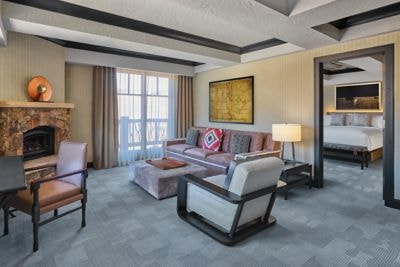
Drawing inspiration from the mountains and the earth, our luxurious rooms and suites are a translation of a modern mountain lodge, with wood accents and furnishings that bring the organic elements of the mountains indoors. Our spacious Ritz-Carlton Suite, Executive Suite and 1-and 2-bedroom Residential Suites offer unique and spacious layouts with additional amenities. Enjoy breathtaking views of the mountain or valley from all rooms.
Elevate Your Stay
Exclusive Access
The Ritz-Carlton Club Lounge
The Ritz-Carlton Club Lounge
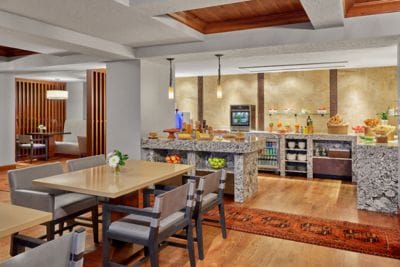
Combining exclusivity with personalized service, the Club provides a dedicated Concierge, private lounge, and daily culinary presentations.
Festive Season at The Ritz-Carlton, Bachelor Gulch
Discover A Season of Wonder: December 18 - January 1
We invite you to the most magical time of year at The Ritz-Carlton, Bachelor Gulch featuring extensive seasonal experiences, culinary delights, wellness offerings and family friendly activities during the Holiday season. Dreams of decked halls, snow dancing outside, and hot cocoa by the warm glow of the fire will all come true. Every detail celebrates cherished traditions in the most enchanting destination.

Author a room pool for which API response Exists
The Ritz-Carlton Club Level & Lounge
Upgrade to Club
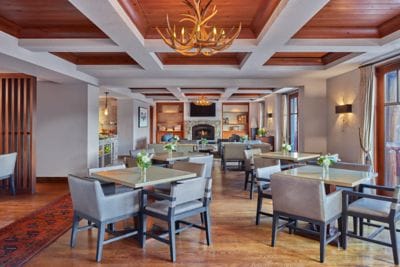
Treat yourself to a memorable stay at this luxury resort in Beaver Creek, Colorado, by booking a room or suite with Club access*; opening the door to exclusive amenities and services. Let us enhance your stay with our curated Club offerings throughout the property, available exclusively to Club guests. Club access requires an upgraded Club Room booking. Marriott Bonvoy Elite Status does not provide complimentary access to Club. The Club Lounge offers guests an intimate and exclusive setting to relax and unwind. Including a dedicated concierge, sweeping views of the surrounding mountains, continuous culinary offerings throughout the day, an array of cocktails, beer and wine, and a cozy lounge with a fireplace. The Club Lounge is closed Sept. 7 – Nov. 19; re-opening Nov. 20.
Author a room pool for which API response Exists


1
5
A Spacious Stay Awaits
Offers & Packages
VACATIONS BY MARRIOTT BONVOY
Bundle Hotel + Flight to Save and Earn Points
Luxury in Beaver Creek
Enveloped by the natural beauty of the Colorado Rocky Mountains, our luxury hotel in Beaver Creek, Colorado weaves its surroundings into every hotel experience. Regional microbrews are served at Buffalos gastropub, activated charcoal sourced from Colorado mines is used in the spa’s signature Miner’s Mineral Mud Wrap and resort activities pay tribute to the great outdoors, from ski-in, ski-out access during the winter to hiking and golf in the warmer months.
-
-

-
-



1
4
Dining in
Bachelor Gulch
There's an inviting aura emanating from each of the restaurants and lounges at the Ritz-Carlton, Bachelor Gulch in Beaver Creek, Colorado. Stacked stone, rich wood, nature-inspired artwork, a crackling 3-story stone fireplace, and lounge-worthy seating - the environs set the mood for vibrant, signature regional cuisine, a contemporary Japanese sushi restaurant, barrel-aged cocktails, après ski fare, and robust coffee.
Author a room pool for which API response Exists


1
6


Unique and Memorable Meetings & Events
Surrounded by the natural beauty of the Rocky Mountains, nestled at the base of Beaver Creek resort, The Ritz-Carlton, Bachelor Gulch offers the ideal setting for meetings, executive retreats, incentive trips, and training sessions. Events at our hotel in Beaver Creek, Colorado, can be hosted indoors, where 15,000 sq. ft. of meeting space includes features such as Juliet balconies and floor-to-ceiling windows, or outside with venues such as the valley-view Skiers Bridge. The resort is a complete meeting destination with a host of specialty services including portrait photography sessions, wellness workshops, and team golf or ski outings.
Weddings
A Dream Mountain Wedding Destination
Our Bachelor Gulch, Colorado, hotel offers a storybook setting, nestled in the Rocky Mountains that paint the horizon. Here, couples can wed on a grassy terrace overlooked by the White River National Forest, in a rustic cabin from the early 1900s, or in a grand ballroom where wrought-iron chandeliers shed a warm glow on the damask-inlaid walls.

Author a room pool for which API response Exists
Special Events and Activities
Discover exciting happenings at the hotel and local area, from seasonal celebrations to family-friendly activities. Elevate your stay exploring events happening year-round.

Author a room pool for which API response Exists
OUR LOCATION
Tel: +1 970-748-6200
GETTING HERE
The Ritz-Carlton, Bachelor Gulch
0130 Daybreak Ridge, P.O. Box 9190, Avon, Colorado, USA, 81620
This hotel does not provide shuttle service.
Alternate Airport Transportation
Epic Mountain Express; fee: 49.00 USD (one way); reservation required: $49.00 - One-way
Reservation Required: +1 800-525-6363
This hotel does not provide shuttle service.
Alternate Airport Transportation
Epic Mountain Express; fee: 87.00 USD (one way); reservation required: $87.00 - One-way
Reservation Required: +1 800-525-6363
Experience the World of
Ritz-Carlton



Property Details
Daily
Turndown Service
Business Center
Convenience Store
Gift Shop
On-Site Laundry
Room Service
Wake-Up Calls
Complimentary Wi-Fi
Check-in: 4:00 pm
Check-out: 11:00 am
Minimum Age to Check In: 21
Smoke Free Property
Pet Policy
Pets Welcome.
2 dogs per room-USD 250 per stay cleaning fee plus USD 20 per night pet fee
Non-Refundable Pet Fee Per Stay: $250.00
Non-Refundable Pet Fee Per Night: $20.00
Maximum Number of Pets in Room: 2
Parking
Valet
Daily: $60.00
Electric Car Charging Station
Policies and Payments
Accepts: Credit Cards
Contactless mobile payments
Services
24-hour Front Desk
Babysitting
Concierge desk service
Property has elevators
Languages spoken by staff:
English, Spanish
For more information about the physical features of our accessible rooms, common areas or special services relating to a specific disability please call +1 970-748-6200 . Click here to see accessible rooms types at this hotel.
Accessible Hotel Features
Property has elevators
Self Operating lift or a sloped entry in hotel swimming pools
Service Animals are welcome without a fee or documentation
Valet parking for vehicles outfitted for drivers in wheelchairs
Accessible Areas with Accessible Routes from Public Entrance
Accessible Entrance to On-Site Pool
Entrance to On-Site Fitness Center is Accessible
Entrance to On-Site Spa is Accessible
Main Entrance is Accessible
Meeting Spaces are Accessible
On-Site Restaurants are Accessible
Room and Suites Access through the Interior Corridor
Guest Room Accessibility
Accessible Vanities
Adjustable Height Hand-Held Shower Wand
Bathtub Grab Rails
Bathtub Seat
Closed Caption TV
Deadbolts on Guest Room and Suites Doors
Electronic Room Key
Guest Room and Suites Doors Self-Closing
Guests in mobility-accessible rooms may inquire about lowering the bed height
Hearing Accessible Rooms and/or Kits
Lever Handles on Guest Room Doors
Lowered Deadbolts on Guest Room Doors
Lowered Electrical Outlets
Lowered Night Guards on Guest Room Doors
Lowered Viewports in Guest Room Doors
Mobility accessible rooms
Non-slip Grab Rails in the Bathroom
Roll-in Shower
Room Windows Open
Safety Chains and/or Latches on Guest Doors
Secondary Locks on Room Windows
TTY/TTD Compatible
Toilet Seat at Wheelchair Height - Toilet for Disabled
Viewports in Guest Room and Suites Doors
Certifications
Green Key Eco-Rating Program Certified
Footprints
Carbon Footprint: 119.87 kg per room night
Water Footprint: 1753.46 liters per room night
Environmental
Practices
Guest Room Recycling
Electric car charging
Frequently Asked Questions
The check-in time at The Ritz-Carlton, Bachelor Gulch is 4:00 pm and the check-out time is 11:00 am.
Yes, pets are welcome at The Ritz-Carlton, Bachelor Gulch. Up to 2 pets are allowed per room. A non-refundable pet fee of $250.00 per stay applies.
On-site valet parking is available at The Ritz-Carlton, Bachelor Gulch. The daily valet fee is $60.00 per day.
View additional parking information in the hotel information section on this page.
Yes, The Ritz-Carlton, Bachelor Gulch has in-room Wi-Fi available to hotel guests. Marriott Bonvoy members receive complimentary in-room Internet access when they book direct. Sign up for Marriott Bonvoy for free as you complete your The Ritz-Carlton, Bachelor Gulch booking.
The closest airport near The Ritz-Carlton, Bachelor Gulch is Eagle County Airport (EGE). EGE is located approximately 28.0 Miles from the hotel.
Yes, The Ritz-Carlton, Bachelor Gulch has electric vehicle charging stations (subject to availability).
Yes, The Ritz-Carlton, Bachelor Gulch offers an exclusive Ritz-Carlton Club Lounge experience for guests staying in Club-level rooms and suites. Enhance your stay with personalized service, curated culinary presentations, and a tranquil space designed for relaxation and refinement. Reserve a Club Access accommodation to enjoy exclusive amenities and services*.
*Club access requires an upgraded booking at the Club. Marriott Bonvoy Elite Status does not provide complimentary access to the Club.
